 One of the ways worship leaders can better serve their congregation and their pastor is by choosing songs intentionally and purposefully to underline and respond to the preaching of God’s word. Not every song has to line up perfectly with the theme of the sermon, or be based on the same passage of Scripture, but when all of the songs during a service are completely unrelated to each other and the message, it can result in no single message standing out at the end of the day.
In most of the weekend services at my church, the sermon comes toward the end of the service. Because of this, I’m usually most concerned that the closing song, which comes directly after the sermon, is carefully chosen.
For years I tried to do this mostly by guessing. If the pastor thought to mention something to me about what kind of song would work, then that would be great. But most weeks I was just hoping I got it right. Sometimes I would. But other times I would find myself sitting in the service thinking, “I wish I knew he was going to say that!”
So in recent years I’ve become more diligent about hounding the preacher in the week leading up to his sermon, to get as much information as I can to help me pick songs, particularly the closing song, that both underline and help people respond to the message.
Here are some ways you might be able to do the same:
If he writes it out word-for-word, get a full transcript
Whenever John Yates, our senior pastor, is preaching on a weekend, I will get a word-for-word transcript of his sermon on the Thursday leading up to it. This is invaluable. I take time to read it, chew on it, and then prayerfully discern what songs would help people respond to this most effectively.
If he preaches from an outline, ask to see that outline
Some of the other pastors at my church don’t write their sermons out word-for-word. So I’ll just ask for their outline, or any notes they have. Sometimes I get a lot, and sometimes I get a little. Either way, it’s still something.
If he hasn’t yet finished either a transcript or outline, ask him what he’s thinking
I’ll oftentimes email whatever pastor is preaching and say something like: “I’d love to have any crumbs you can throw my way to help me pick a closing song that works well with your sermon. Any ideas? Specific songs? Themes? Anything?” I’ll almost always get a helpful response. I don’t need an awful lot of information – just some sort of indication of the direction of the sermon.
The key question to ask yourself and the preacher is: how would you envision people responding to this message through a song?
Don’t try to summarize the entire message in a song. You probably won’t be able to, and even if you are, it might be information overload. Just help them respond. It will look different every Sunday, but by asking yourself this question, you’re helping to avoid a mishmash of messages. Say that five times fast.
 One simple thing that many worship leaders could do that would immediately increase their effectiveness by leaps and bounds would be to stay on the melody. By resisting the urge to break off of the melody and sing higher, or sing harmony, or sing a cool little blues run, they would instantaneously be easier to follow, less distracting, less annoying, and more confidence-building.
  Whether you realize it or not, you are being studied by your congregation during the course of the entire worship service. Not just during the music – but during the sermon, the prayers, and the announcements.
 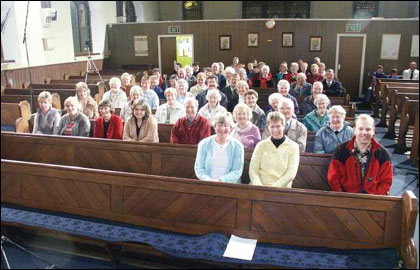 You can never really know for sure – until the service is actually underway – how your congregation will respond during a time of corporate worship. Try as we may to predict what songs will really “work”, or when we might need to say something, or how the Holy Spirit might be prompting us in unplanned directions, we can’t be 100% certain until we’re in the middle of it. And even then it’s not always so clear!
 It’s hard to be happy in church ministry when you keep a never-ending, never-satisfied list of “if-onlys”. This applies to people in all sorts of roles, but particularly to worship leaders.
 Worthily Magnify