 “Those were the golden years.”
We’ve all used that phrase, and we’ve all heard that phrase. It hearkens back to a bygone era of success, vibrancy, and comfort. An era which has now passed, and an era which beckons us to experience again its glory. And so the phrase “those were the golden years” escapes our lips as a lament. We lament what has been lost, as if we’ll never again attain that level of blessing or joy.
People in the pews remember the golden years. They were when so-and-so was doing such-and-such, and when this-and-that was happening, until this-and-that happened, and we stopped doing such-and-such, and then we lost so-and-so.
People in church leadership remember the golden years too. They were when the budget was bigger, attendance was higher, the buzz was buzzier, and the grass was greener, until summer turned to winter, the cold winds blew in, and everything dried up.
Oh for the golden years. If only we could have those years back again. If only we could recapture that magic. If only we could just do what we did then. If only we could take matters into our own hands. If only, if only, if only.
The people of Israel fell into this trap in Exodus 32. From a toxic combination of forgetfulness, impatience, sinfulness, fear, and disobedience, came their decision to take matters into their own hands, and to make for themselves their own god: a golden calf. Astoundingly, the people then attributed their deliverance to the idol they had made with their own hands. Big mistake. Because, in fact, their God was at work in ways they couldn’t see, leading them forward through the desert to a new land.
It’s tempting to look back on the golden years when you’re wandering through the desert. Even if those golden years were actually not as rosy as you’re remembering.
How often do we do the same thing? We know we’re wandering, we know we’re not where we used to be, and we’re scared. But we know that we used to do was working, and we know how to do that, so let’s get busy building what we know, and then stand back and watch our deliverance. Big mistake. Because, in fact, our God is at work in ways we can’t see, leading us forward through the desert to a new day.
The person who rolls his or her eyes at the faithful trusting in a God who leads his people forward into new lands is a person who has made a golden calf out of the golden years. But the person who waits, expectedly and faithfully and longingly, for God’s sovereign provision and perfect timing, has placed his trust in the right place.
So look back on the “golden years” and remember. Remember God’s faithfulness and goodness.
But don’t idolize those golden years, and attempt to take matters into your own hands, and recreate those years. Instead, trust in the same God who was faithful and good then, trusting that he is faithful and good now, and follow him wherever he leads.
 When I was a young lad, an early teenager who was sensing a call to pursue worship leading as a career, I was blessed to have a healthy supply of normal mentors in my life. These were guys who were the worship leaders or youth pastors at my church, and who were fantastic at what they did, but (and this is not a bad thing) were just plain-out normal.
 Several years ago I had just finished leading worship for a big event that had taken a huge amount of my emotional and physical emotional energy, the better part of six months to plan and execute, and a significant amount of ministry capital, when a letter arrived in my mailbox (an actual letter, in my actual mailbox) addressed to (you guessed it…) me.
 This week my church is hosting “Genesis Arts Camp” for 200+ sweaty K-6th grade students in the morning and about 50 middle/high school students in the afternoon. I’ve had a blast leading worship in the morning, and sharing a quick teaching about some aspect of the gospel (this camp draws a good number of kids from outside of our church and from families who don’t go to church at all).
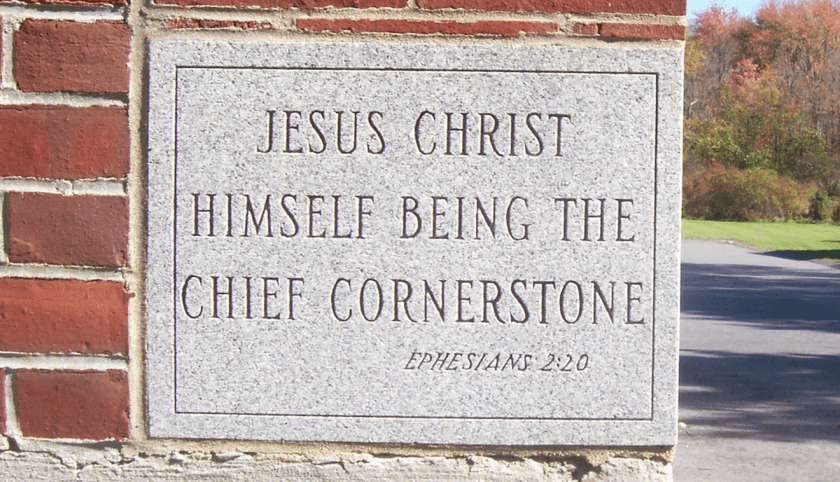 A worship leader can never go wrong having his congregation proclaim the gospel in song. In our weekly quest to find something that “works”, we quite simply don’t have to look any further than to Jesus, to what he accomplished for us, and to what he has secured for us. Regardless of your church’s setting, demographics, traditions, worship style, successes, failures, attendance numbers, and whatever buzzword is floating around at the moment, singing songs grounded in the gospel of Jesus Christ always – always – “works”.
 Worthily Magnify