 Inevitably, those of us involved in leading worship will encounter criticism. And at some point, this criticism might be along the lines of: contemporary music is evil. Or, drums are of the devil. Or, I can’t stand that kind of music. Or, electric guitars were designed by aliens to one day destroy the earth.
OK, maybe not that last one, but you know what I’m saying.
There are many godly, sincere, good people who believe that contemporary music or anything related to it (drums, guitars, projecting lyrics, synthesizers, etc.) is not appropriate for use in church. Some of these people articulate their objections respectfully and kindly, while others are less generous in their distaste for the genre.
It can be difficult for contemporary musicians and those who believe that contemporary music can and should be used for God’s glory to know how to respond to the line of thinking that says just the opposite.
The number one mistake I have made when being faced with the argument that contemporary music is evil has been to take it personally.
In my mind, it goes like this: They don’t like acoustic guitars, I play acoustic guitar, therefore they don’t like me, and now I don’t like them.
Or: They think the rock beat is evil, I think they’re wrong, therefore they think I’m ignorant, and now I think they’re smug. And I still don’t like them.
And so on and so on. Now we have different members of the body of Christ who don’t really understand where the other is coming from, who are taking it all personally, and who can’t talk with each other.
I’ve read the books and listened to the arguments that seek to portray contemporary music as demonic at its core, or thoroughly inferior, or designed for the purposes of rebellion, or as the enemy of those who prefer traditional hymnody and classical music. I’m convinced they’re misguided on all counts, and that a biblical perspective on music encourages endless variety, stylistic pluralism, skillful execution, and spiritual discernment all for the glory of God.
But instead of hearing the criticism and responding with Christ-like patience and Spirit-enabled charity, I so often find myself responding out of sinful pride, and seeking to defensively protect my turf. It’s silly. I take it personally and in so doing, ensure that nothing fruitful happens.
To my fellow worship leaders, and contemporary musicians, let me encourage us to respond in three ways:
 Understand where they’re coming from. Listen to their arguments, read their books, consider their concerns, and try to see them as God sees them.
Dialogue with them. We can learn from them, they can learn from us. It really shouldn’t be an “us versus them” thing anyway. Whatever we can do to stay unified by the Gospel, let’s do it.
Don’t take their concerns personally. It’s not about you, even if they think it is. Even in the face of mean-spirited criticism, respond with grace and understanding.
Justified or not, contemporary musicians have a reputation of being insensitive, untrained, not well-read, oblivious, callous, and boastful. When we’re presented with critique or criticism, we just shrug our shoulders, murmur under our breath, and turn the amps up louder. This is not good.
Instead, may we seek to be as approachable as possible, informed, aware of the sensitivities around us, and surprisingly willing to dialogue. Who knows, maybe electric guitars really are an alien invention…
 I have a love/hate relationship with paddling a canoe. On the one hand I enjoy spending a warm summer day on a river or a lake with friends and family, having a picnic on the shore, and gliding through the water, but on the other hand I don’t enjoy the prospect of tipping over, the sore arms, and trying to maneuver the canoe and make it go where I want it to go. Just when it starts to head in the right direction, it veers left and I have to paddle hard on the right, or vice versa. I’m constantly paddling on different sides in hopes of correcting course.

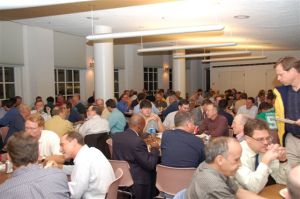 Tonight is the monthly men’s ministry gathering at my church, when about 100 or so guys get together for some food, a time of corporate worship, teaching, and prayer. I usually lead about 20 minutes of singing at the beginning of the meeting, and try to pick songs that men from the various different services will know, or learn easily.
 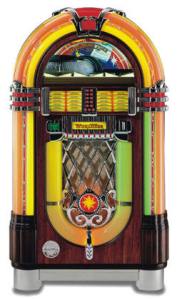 What do you do when you get song requests?
  Worthily Magnify