 When I was first starting to really get into worship leading during middle school, I was spending a lot of time listening to a Pentecostal worship leader out of Florida. You wouldn’t know who he is, since the only reason I could listen to him was because my Mom had subscribed to that church’s sermon ministry and when they sent the tapes they included the whole service.
So I’d listen to those tapes and sit there transfixed. The worship leader (and team) was really good. This stuff wasn’t edited or produced or anything. This was live, straight-from-the-sound-board, as-it-happened worship. In classic Pentecostal style, they could take a 3 or 4 minute song and make it go (and go) for 15 minutes. And the more they repeated a song the more people seemed to get into it.
You can criticize that style all you want, but for me at that point in my life, attending and leading worship in an old, dead Episcopal church, listening to those tapes was like water to my thirsty soul.
Naturally, when you listen to a particular worship leader and/or style of music for a while, you start to copy it. And so I, a middle school boy leading worship at a little Episcopal church, began to replicate the Pentecostal worship leader I was hearing on the tapes.
The guy on the tapes could hit a high G and make it sound like he wasn’t even trying. When I tried to hit a D it sounded like I was mimicking a farm animal. The guy on the tapes would add all these phrases and runs and cool embellishments and it made the congregation respond with more vigor. When I tried to do something cool it just sounded like I was… well… trying to do something cool.
I was over-doing it. Big time. Instead of being who I was, a fourteen year old guy who had an average voice, was pretty good on the guitar, and loved to worship, I was trying to be the guy I was listening to on my Walkman after school every day.
I began to become aware of this problem when I started recording our times of worship and listening back to them. As much I wanted to convince myself that I sounded awesome, I couldn’t. I was embarrassed. I felt bad for the people who had to endure my attempts to hit high notes, do cool embellishments, and be somebody I wasn’t. Thank God that the youth group I was leading worship for was gracious and encouraging and never critical.
So for several years, into high school and college, I began an adventure of attempting to lead worship as myself. I would swing from trying to be Bob Kauflin to trying to be Stuart Townend to trying to be Tim Hughes to trying to be like Matt Redman.
But eventually the time came when I had led worship for long enough, gleaned different positive things from different worship leaders I had seen or heard, made enough mistakes, and had enough freedom to stretch my own wings, that I began to get comfortable in my own skin. I was figuring out who I was as a worship leader, and who I wasn’t.
This process is ongoing. I still catch myself trying to be someone I’m not. But, by God’s grace, I feel less and less pressure to be someone I’m not.
How about you? When you lead worship are you trying to be someone else? Have you picked up things from other worship leaders that just aren’t who you are? Are you over-doing? Maybe you just need to relax and not try as hard to be who you think you need to be when you’re leading worship.
Incorporate all the good things from other worship leaders that you see or listen to. Learn as much and as often as you can. Always be eager to make adjustments to how you lead. But at the end of the day, be yourself.

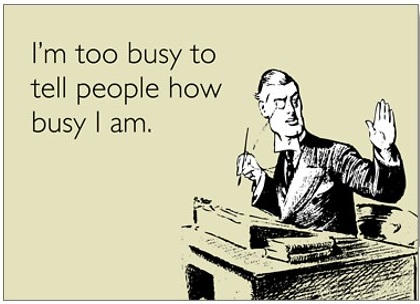 Every few weeks I attempt to get my inbox to zero. And in the process, I inevitably come to the bottom few emails that I have let go for weeks with no reply. The person who sent them took the time to compose them and send them to me, but I never took the time to even write them back and say “I will get back to you soon”. I became Mr. I’m-Too-Busy-To-Reply-To-Emails.
  News flash: if you lead worship in any capacity, whether it’s full-time, part-time, or volunteer, one thing is inevitable. You will face a difficult situation at some point. And you won’t know what to do. And how you handle the difficult situation will have consequences.
 A couple of weeks ago I shard ten worship leading myths that seemed to encourage/challenge a lot of worship leaders and generate some good discussion. I think most worship leaders find themselves regularly facing discouragement and doubt about their role in ministry and whether or not they’re making a difference and going about things the right way. All of us who lead worship could use some encouragement and challenging from time to time, so I offer ten more myths that can keep us being as effective as we should be.
 Worthily Magnify